
Blog
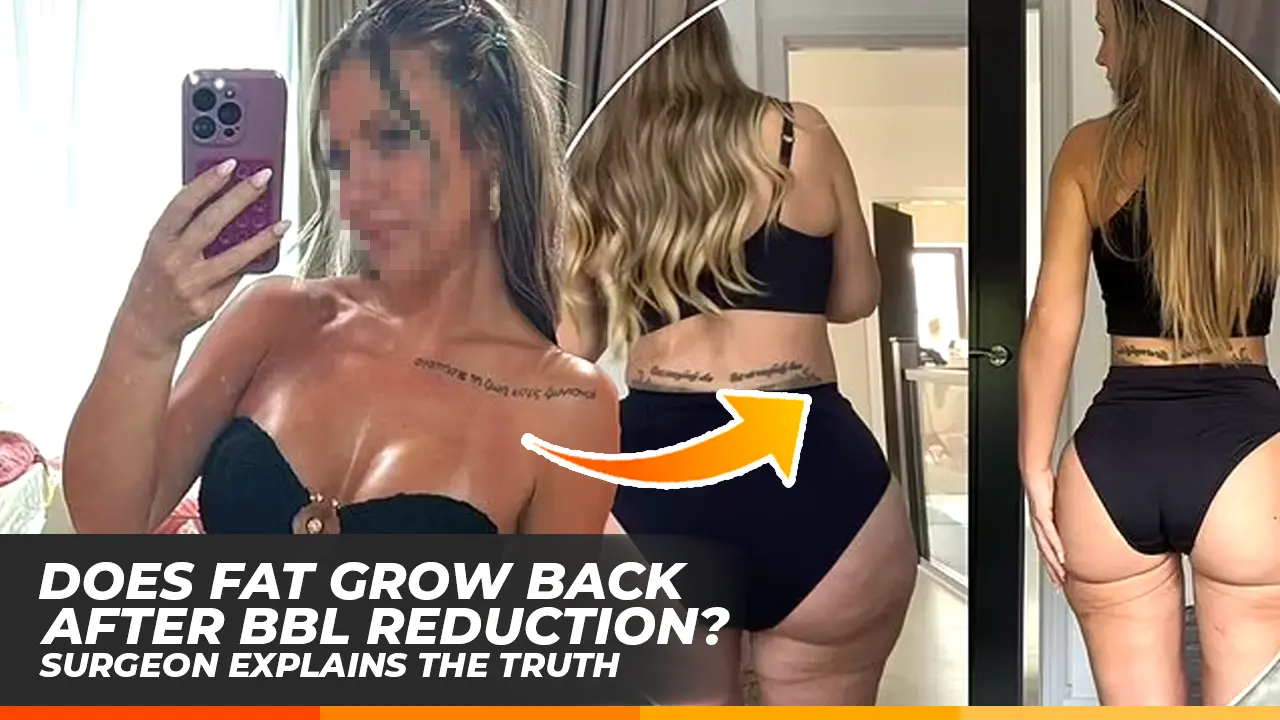
Does Fat Grow Back After BBL Reduction? Surgeon Explains the Truth
Does fat grow back after BBL reduction? Learn the science behind fat cells, long-term results, and what really affects BBL reduction outcomes from a surgeon.
Table of Contents
Does Fat Grow Back After BBL Reduction? The Truth About Fat Cells and Long-Term Results
One of the most common questions I hear in consultations is:
“Doctor, does fat grow back after BBL reduction?”
This fear is understandable. Many patients seeking BBL reduction or BBL reversal have already been through one emotional and physical journey — and they don’t want to repeat it.
Let’s be very clear and very honest.
Fat does not behave emotionally.
Fat behaves biologically.
And once you understand how fat cells actually work, most of the fear disappears.

Understanding Fat Cells: What Really Happens in Your Body
To understand whether fat grows back after BBL reduction, we must start with fat cell science.
Key facts about fat cells:
- You are born with a set number of fat cells
- After puberty, your body does not create new fat cells easily
- Weight gain = fat cells expand, not multiply
During BBL reduction surgery, fat cells are:
- Physically removed
- Destroyed permanently
- Not “deactivated” — eliminated
Once a fat cell is surgically removed, it cannot regenerate.
This is why BBL reduction surgery is not the same as dieting or weight loss.

Does Fat Grow Back After BBL Reduction? (Short Answer vs Real Answer)
Short answer:
No — removed fat does not grow back.
Real answer:
Fat does not “grow back,” but remaining fat cells can grow larger under certain conditions.
This is where confusion comes from.
Patients say:
- “My BBL came back”
- “The fat returned”
- “My butt looks bigger again”
What actually happened?
- Remaining fat cells expanded due to weight gain
- Or swelling was mistaken for fat regrowth
- Or the original surgery did not remove fat strategically
So when people ask “does fat grow back after BBL?”, the correct medical answer is:
Removed fat cells are gone forever — but lifestyle and technique still matter.

What Feeds Fat Cells After BBL? The Biological Triggers
Let’s talk honestly about what feeds fat cells after BBL or BBL reduction.
Fat cells grow when they receive:
- Excess calories
- Insulin spikes
- Chronic inflammation
- Hormonal imbalance
- Sedentary lifestyle
The biggest contributors:
- Rapid weight gain after surgery
- High-sugar, ultra-processed diets
- Long-term inactivity
This does not mean you must live in fear of food.
It means BBL reduction is not a free pass against weight gain, just like liposuction.

Does a BBL Shrink After 6 Weeks? Normal vs Problematic Changes
Another high-search question:
“Does BBL shrink after 6 weeks?”
Yes — and this is normal.
What happens at 6 weeks:
- Swelling decreases
- Inflammation resolves
- Final fat volume becomes visible
This applies to:
- BBL augmentation
- BBL reduction
- BBL reversal
What is not normal:
- Sudden volume loss months later
- Hard or uneven texture
- One-sided flattening
Those issues are usually related to:
- Poor fat survival (in augmentation)
- Aggressive fat removal without contouring
- Inadequate post-op care

Surgical Technique Matters More Than You Think
Many patients asking “does fat grow back after BBL reduction” are actually dealing with bad technique, not biology.
Poor BBL reduction surgery may:
- Remove fat unevenly
- Ignore hip-to-waist ratio
- Over-flatten projection
- Create visual imbalance that mimics regrowth
My approach focuses on:
- Proportion, not volume obsession
- Strategic fat removal
- Preserving natural curves
- Preventing “flat” or “boxy” outcomes

Weight Gain After BBL Reduction: What Actually Changes
If a patient gains weight after BBL reduction:
- Fat distributes more evenly
- Buttocks no longer dominate the body
- Shape remains more controlled
Why?
Because the total number of fat cells is reduced.
This is why BBL reduction patients often say:
“Even when I gain weight, I don’t look exaggerated anymore.”
That’s not magic.
That’s anatomy.
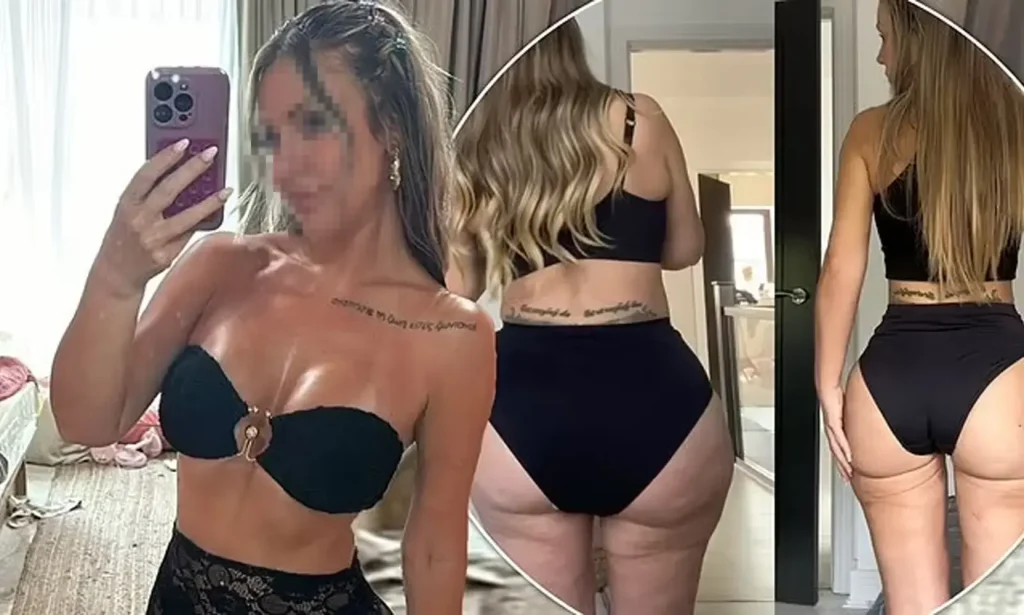
Long-Term Results: 1 Year, 3 Years, 5 Years Later
In long-term follow-ups, patients who:
- Maintain stable weight
- Follow basic lifestyle balance
- Had proper surgical planning
Do not experience fat regrowth.
Patients who experience volume increase usually had:
- Significant weight gain
- Pregnancy-related changes
- Hormonal disorders
Even then, the shape is rarely as extreme as pre-reduction.
How I Prevent Fat Regrowth in BBL Reduction Surgery
Prevention starts before surgery, not after.
My strategy includes:
- Conservative, intelligent fat removal
- Avoiding overcorrection
- Educating patients clearly
- Setting realistic expectations
BBL reduction is not punishment for past surgery — it’s refinement.

Who Is Most at Risk of Fat Returning?
Higher risk patients include:
- Those planning major weight gain
- Patients with metabolic disorders
- Hormonal imbalance cases
- Unrealistic expectations
But even in these cases:
Fat does not “grow back” — it redistributes
That distinction matters.

Final Thoughts: Fat, Fear, and Facts
The internet loves fear-based headlines.
But science says this:
 Removed fat cells do not regenerate BBL reduction is permanent Technique and lifestyle determine final outcome
If you’re asking “does fat grow back after BBL reduction?”, you’re asking the right question — and now you have the real answer.
FAQs
Does fat grow back after BBL reduction?
No. Fat cells removed during BBL reduction surgery are permanently eliminated.
What feeds fat cells after BBL?
Excess calories, insulin spikes, inflammation, and weight gain can cause remaining fat cells to expand.
Does a BBL shrink after 6 weeks?
Yes. Swelling decreases and the true shape becomes visible around 6 weeks.
Can weight gain reverse BBL reduction?
Weight gain can increase volume slightly, but the original exaggerated shape usually does not return.
Is BBL reduction permanent?
Yes, when performed correctly and followed by stable weight maintenance.